
|
WEEK 12 |
Little Bighorn
 |
|
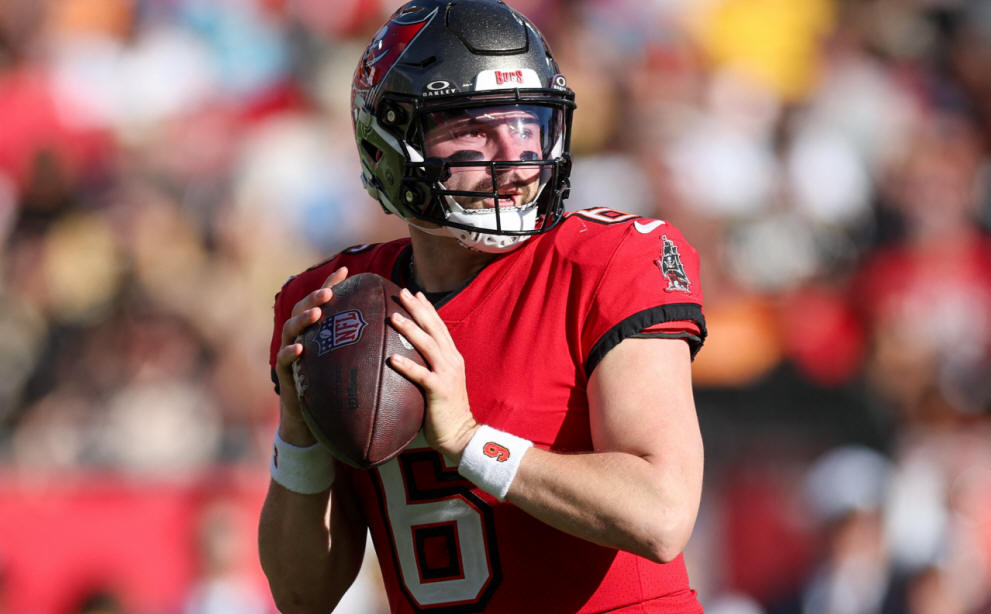
Gus (Ghost) Swayze had a solid day for the Altadena Bandits in Week 12 of the BDFL |
The wild Bandits massacre da Blitz, 42-18
 SIOUX
FALLS, SD - The Battle of the Little Bighorn, known to the
Lakota and other Plains Indians as "The Battle of the Greasy
Grass", and commonly referred to as "Custer's Last Stand", was
an armed engagement between combined forces of the Lakota Sioux,
Northern Cheyenne, and Arapaho tribes and the 7th Cavalry
Regiment of the United States Army. It took place on June 25–26,
1876, along the Little Bighorn River in the Crow Indian
Reservation in southeastern Montana Territory. The battle, which
resulted in the defeat of U.S. forces, was the most significant
action of the Great Sioux War of 1876. Most battles in the Great
Sioux War, including the Battle of the Little Bighorn, were on
lands those natives had taken away from other tribes since 1851.
The Lakotas were there without consent from the local Crow
tribe, which had a treaty on the area. Already in 1873, Crow
chief Blackfoot had called for U.S. military actions against the
native intruders. This pre-existing Indian conflict provided a
useful wedge for colonization, and ensured the United States a
firm Indian alliance with the Arikaras and the Crows during the
Lakota Wars. The fight was an overwhelming victory for the
Lakota, Northern Cheyenne and Arapaho tribes, who were led by
several major war leaders, including Crazy Horse and Chief Gall
who had both been inspired by the visions of Sitting Bull. The
U.S. 7th Cavalry, a force of 700 men, commanded by Lieutenant
Colonel George Armstrong Custer (a Major General for the North
during the American Civil War), suffered a major defeat. Five of
the 7th Cavalry's twelve companies were completely wiped out,
and Custer was killed, as were two of his brothers, his nephew,
and his brother-in-law. The total U.S. casualty count from the
massacre included 268 dead, 55 severely wounded and six would
die later from their battlefield wounds. Public response to the
Great Sioux War varied in the aftermath of the battle. Custer's
widow Libbie Custer soon worked to burnish her husband's memory
and during the following decades, Custer and his troops came to
be considered heroic figures in American history. Since then,
the battle and Custer's actions in particular have been studied
extensively by historians. By the 1930s Custer's heroic public
image began to tarnish after the death of his wife, Elizabeth
Bacon (Libby) Custer, in 1933 at the age of 90 and the
publication of the book Glory Hunter - The Life of General
Custer by Frederic F. Van de Water was the first book to
depict Custer in unheroic terms. The timing of both instances,
combined with the cynicism of an economic depression and
historical revisionism, lead to a more jaded view of Custer and
his defeat on the banks of the Little Bighorn River. Either way
you want to look at it, Custer and the U.S. got their @$$
kicked. Most of the time history has a way of repeating itself.
In Week 12 of the BDFL’s 30th season, there were mass
annihilations inside and outside the league. The Bandits
massacred da Blitz (42-18), the Wildcats devoured the Gamblers
(43-31), the Grenadiers bombed the Freebirds (25-9) and the
Bullets ambushed the Cheetahs (39-25).
SIOUX
FALLS, SD - The Battle of the Little Bighorn, known to the
Lakota and other Plains Indians as "The Battle of the Greasy
Grass", and commonly referred to as "Custer's Last Stand", was
an armed engagement between combined forces of the Lakota Sioux,
Northern Cheyenne, and Arapaho tribes and the 7th Cavalry
Regiment of the United States Army. It took place on June 25–26,
1876, along the Little Bighorn River in the Crow Indian
Reservation in southeastern Montana Territory. The battle, which
resulted in the defeat of U.S. forces, was the most significant
action of the Great Sioux War of 1876. Most battles in the Great
Sioux War, including the Battle of the Little Bighorn, were on
lands those natives had taken away from other tribes since 1851.
The Lakotas were there without consent from the local Crow
tribe, which had a treaty on the area. Already in 1873, Crow
chief Blackfoot had called for U.S. military actions against the
native intruders. This pre-existing Indian conflict provided a
useful wedge for colonization, and ensured the United States a
firm Indian alliance with the Arikaras and the Crows during the
Lakota Wars. The fight was an overwhelming victory for the
Lakota, Northern Cheyenne and Arapaho tribes, who were led by
several major war leaders, including Crazy Horse and Chief Gall
who had both been inspired by the visions of Sitting Bull. The
U.S. 7th Cavalry, a force of 700 men, commanded by Lieutenant
Colonel George Armstrong Custer (a Major General for the North
during the American Civil War), suffered a major defeat. Five of
the 7th Cavalry's twelve companies were completely wiped out,
and Custer was killed, as were two of his brothers, his nephew,
and his brother-in-law. The total U.S. casualty count from the
massacre included 268 dead, 55 severely wounded and six would
die later from their battlefield wounds. Public response to the
Great Sioux War varied in the aftermath of the battle. Custer's
widow Libbie Custer soon worked to burnish her husband's memory
and during the following decades, Custer and his troops came to
be considered heroic figures in American history. Since then,
the battle and Custer's actions in particular have been studied
extensively by historians. By the 1930s Custer's heroic public
image began to tarnish after the death of his wife, Elizabeth
Bacon (Libby) Custer, in 1933 at the age of 90 and the
publication of the book Glory Hunter - The Life of General
Custer by Frederic F. Van de Water was the first book to
depict Custer in unheroic terms. The timing of both instances,
combined with the cynicism of an economic depression and
historical revisionism, lead to a more jaded view of Custer and
his defeat on the banks of the Little Bighorn River. Either way
you want to look at it, Custer and the U.S. got their @$$
kicked. Most of the time history has a way of repeating itself.
In Week 12 of the BDFL’s 30th season, there were mass
annihilations inside and outside the league. The Bandits
massacred da Blitz (42-18), the Wildcats devoured the Gamblers
(43-31), the Grenadiers bombed the Freebirds (25-9) and the
Bullets ambushed the Cheetahs (39-25).
|
WEEK 12 |
Final Scores
|
|
SM |
MAY |
|
|
27 |
18 |
||
|
|
JUG |
VUL |
|
|
21 |
20 |
||
|
|
ARM |
PS |
|
|
7 |
19 |
||
|
|
DOG |
BEL |
|
|
15 |
30 |
||
|
|
GRE |
FRE |
|
|
25 |
9 |
||
|
|
WIL |
GAM |
|
|
43 |
31 |
||
|
|
BUL |
CHE |
|
|
39 |
25 |
||
|
|
BLZ |
BAN |
|
|
18 |
42 |














|
THE BDFL NEWS |
The WORM Hole
|
|
|
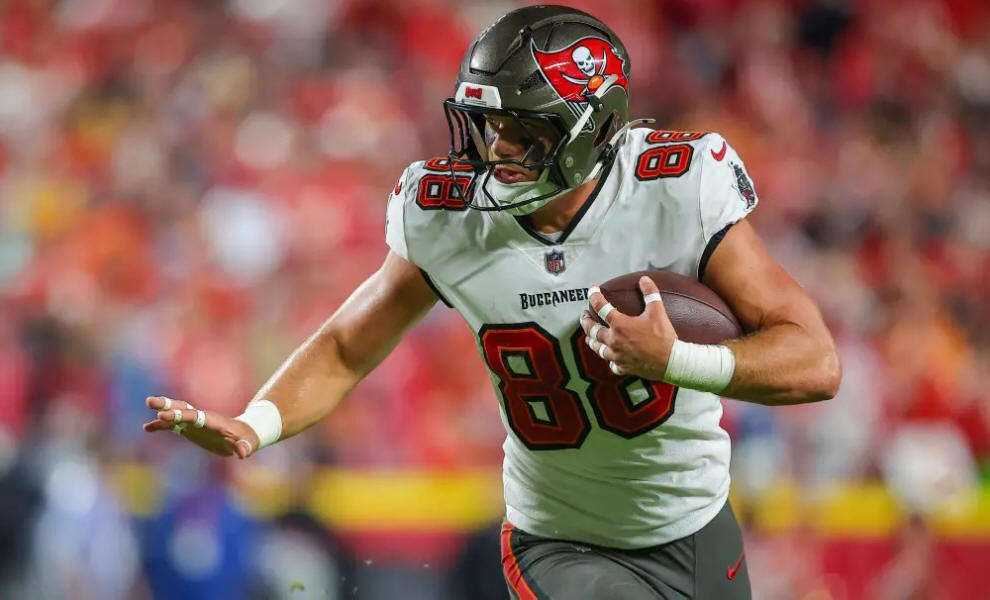
Cade Otton was one of the stars found in the BDFL's WORM Hole during the 2024 season |
The WORM Hole closes for the season
 TITLETOWN -
The BDFL's patented WORM
Rule had another fourth consecutive successful season in 2024, but like
all good things it has come to a close after Week 12. WORM is a BDFL
acronym for Weekly One Roster Move which means each team in the BDFL is
free to drop and add one player per week during the season from Week 4
to Week 12. Nine of the league's 16 teams took advantage of the BDFL's
WORM Rule in 2024 with 33 total roster moves.
The lowly Grenadiers
were the most active team to utilize the WORM Rule in 2024 making seven
roster upgrades out of the nine weeks allowed. This season there was a
ton of value found in the ol' proverbial "Worm Hole" with players like
Jordan Mason, Brandon McManus, Austin Seibert, Evan Engram, T.J.
Hockenson, Kareem Hunt, Bucky Irving, Cade Otton, Chad Ryland, Tyrone
Tracy, Demarcus Robinson, Josh Downs, Joey Slye, Roschon Johnson,
Zane Gonzalez, Quentin Johnston and others all coming into the league during the
regular season to help improve BDFL rosters via the WORM Rule. Look for
the WORM Rule to continue next season in the BDFL.
TITLETOWN -
The BDFL's patented WORM
Rule had another fourth consecutive successful season in 2024, but like
all good things it has come to a close after Week 12. WORM is a BDFL
acronym for Weekly One Roster Move which means each team in the BDFL is
free to drop and add one player per week during the season from Week 4
to Week 12. Nine of the league's 16 teams took advantage of the BDFL's
WORM Rule in 2024 with 33 total roster moves.
The lowly Grenadiers
were the most active team to utilize the WORM Rule in 2024 making seven
roster upgrades out of the nine weeks allowed. This season there was a
ton of value found in the ol' proverbial "Worm Hole" with players like
Jordan Mason, Brandon McManus, Austin Seibert, Evan Engram, T.J.
Hockenson, Kareem Hunt, Bucky Irving, Cade Otton, Chad Ryland, Tyrone
Tracy, Demarcus Robinson, Josh Downs, Joey Slye, Roschon Johnson,
Zane Gonzalez, Quentin Johnston and others all coming into the league during the
regular season to help improve BDFL rosters via the WORM Rule. Look for
the WORM Rule to continue next season in the BDFL.
|
2024 Season Flashbacks <<<<<<<<<<<<<<<<<<<<<<<<<<<<<<< |
|||
| W1-Dog Day Afternoon | W2-Stranglehold | W3-Boondocks | W4-Gut Wrencher |
| W5-Discombobulated | W6-Death Defying | W7-Lolly Gagging | W8-Monster Smash |
| W9-Street Survivors | W10-Snot Locker | W11-The Mean Machine | W12-Little Bighorn |
|
|
|
|
|



Concept, names, logos and designs are all registered trademarks and intellectual property of The BDFL © 2024. TheBDFL.com is a production of Iron Hand Productions © 2024. It is intended solely for the use of the Big Daddy Football League (BDFL). Any other use without the expressed written consent of the BDFL is prohibited. Any re-broadcast, or re-distribution, of its contents can be punishable by law, or by Iron Hand. All rights reserved.