| WEEK 6 |
London Calling
 |
|
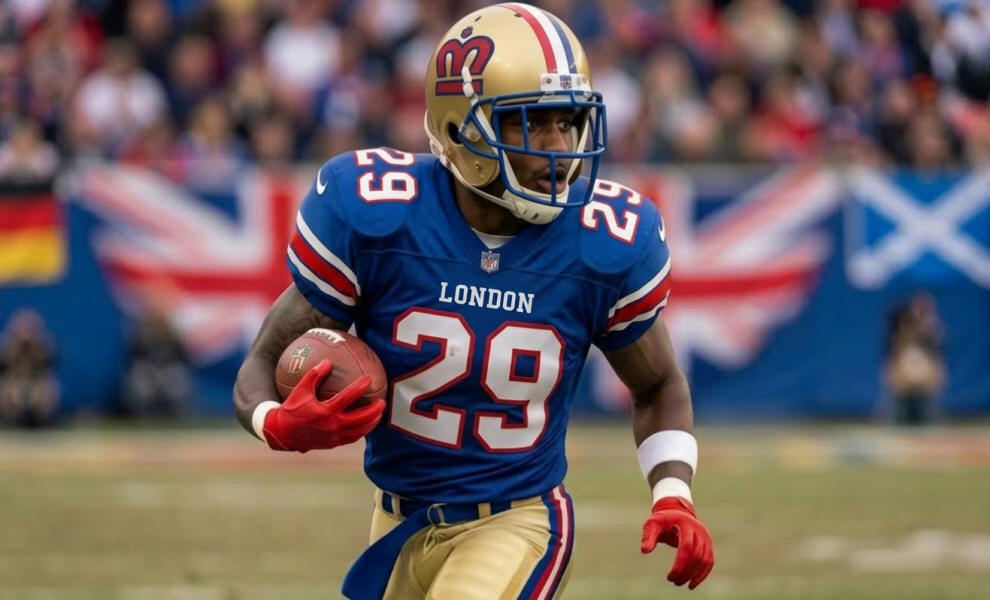
Tyrone Tracy answered the call to lead the Monarchs to vict'ry in the BDFL's Throwback Week |
London beats Hawaii in a 2076 match-up
 LONDON,
UK - London Calling is the iconic third studio album by the
English punk rock band The Clash, released in the United Kingdom on
December 14, 1979. Widely regarded as one of the greatest albums of
all-time, it represents a crucial evolution where the band broke out of
its traditional punk boundaries to blend post-punk, new wave, rockabilly
and lounge jazz into a timeless classic. The album was recorded over a
chaotic yet highly productive six-week period at Wessex Sound Studios
with unconventional producer Guy Stevens. The signature song of the same
name "London Calling" references the BBC World Service's wartime station
identification phrase. Lead singer, Joe Strummer's lyrics reflect
anxieties over contemporary global events, including unemployment,
racial conflict, and the 1979 Three Mile Island nuclear incident. The
legendary double album cover features photographer Pennie Smith's shot
of bassist Paul Simonon smashing his Fender Precision Bass on stage at
the New York Palladium in 1979, with lettering that directly pays homage
to Elvis Presley's debut album. The album also contains a BDFL staple
with the classic "Train In Vain". Music enthusiasts and critics alike
highlight the album's timelessness and how it transformed the punk
movement from a rebellious spirit to rock ‘n roll. In Week 6 of the
BDFL’s 32nd season, the league held its annual Throwback Week, but this
season instead of turning the clock back, the BDFL looked forward 50
years to the NFL in 2076. Each BDFL team represented one of the 16 new
NFL teams to come into existence in the future as projected by the
BDFL's media experts. The Nostradamus Weekend was highlighted by the
highest scoring affair as the London Monarchs (Juggernauts) conquered
the Hawaii Voyagers (Bandits) 32-27 at Wembley Stadium in front of 90,000
real football fans.
LONDON,
UK - London Calling is the iconic third studio album by the
English punk rock band The Clash, released in the United Kingdom on
December 14, 1979. Widely regarded as one of the greatest albums of
all-time, it represents a crucial evolution where the band broke out of
its traditional punk boundaries to blend post-punk, new wave, rockabilly
and lounge jazz into a timeless classic. The album was recorded over a
chaotic yet highly productive six-week period at Wessex Sound Studios
with unconventional producer Guy Stevens. The signature song of the same
name "London Calling" references the BBC World Service's wartime station
identification phrase. Lead singer, Joe Strummer's lyrics reflect
anxieties over contemporary global events, including unemployment,
racial conflict, and the 1979 Three Mile Island nuclear incident. The
legendary double album cover features photographer Pennie Smith's shot
of bassist Paul Simonon smashing his Fender Precision Bass on stage at
the New York Palladium in 1979, with lettering that directly pays homage
to Elvis Presley's debut album. The album also contains a BDFL staple
with the classic "Train In Vain". Music enthusiasts and critics alike
highlight the album's timelessness and how it transformed the punk
movement from a rebellious spirit to rock ‘n roll. In Week 6 of the
BDFL’s 32nd season, the league held its annual Throwback Week, but this
season instead of turning the clock back, the BDFL looked forward 50
years to the NFL in 2076. Each BDFL team represented one of the 16 new
NFL teams to come into existence in the future as projected by the
BDFL's media experts. The Nostradamus Weekend was highlighted by the
highest scoring affair as the London Monarchs (Juggernauts) conquered
the Hawaii Voyagers (Bandits) 32-27 at Wembley Stadium in front of 90,000
real football fans.
| WEEK 6 |
Final Scores
|
|
GAM |
GRE |
|
|
21 |
19 |
||
|
|
DOG |
SM |
|
|
16 |
28 |
||
|
|
BEL |
PS |
|
|
19 |
7 |
||
|
|
BUL |
MAY |
|
|
23 |
25 |
||
|
|
ARM |
CHE |
|
|
18 |
13 |
||
|
|
FRE |
BLZ |
|
|
24 |
27 |
||
|
|
VUL |
WIL |
|
|
28 |
11 |
||
|
|
BAN |
JUG |
|
|
27 |
32 |
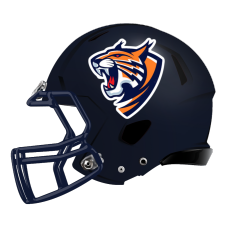
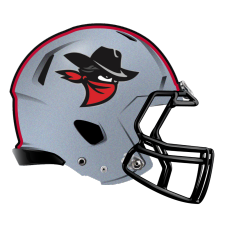
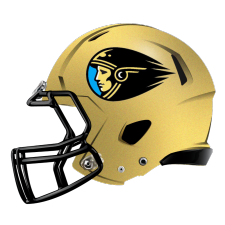
| THE BDFL NEWS |
Tricentennial
 |
|
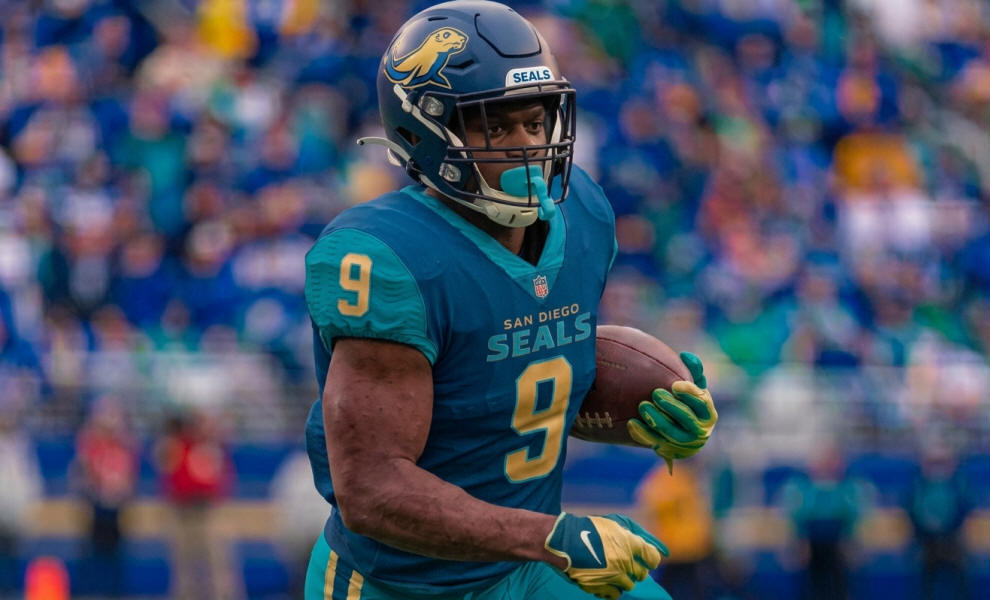
Kenneth Walker had a big day for the San Diego Seals during the BDFL's annual Throwback Week |
|
Throwback Week looks forward 50 years |
|
|
 TITLETOWN
- It is Throwback Week in the BDFL and we usually look back to the
old school days of the NFL, AFL, WFL, USFL, XFL, etc. However,
this season Throwback Week takes a leap forward to 2076 to see
what the NFL will look like 50 years from now. We all lived
through the country's bicentential celebration, but only one may
be around for the tricentennial. Just a few facts to keep in
mind when looking at the future... A lot of things will happen
in the next 50 years based on history. Hopefully, we can avoid
WWIII and another worldwide pandemic. The futurists predict
self-driving vehicles will be replaced with self-driving hover
crafts and the U.S. Mail will be replaced by UPSExpress (an
entity between UPS and FedEx) and all mail will be delivered
electronically and most packages delivered by drones. The NFL
will continue to grow in popularity and expand to new emerging
markets as college sports disappear into semi-pro minor leagues
and 15-man one platoon club football takes over college campuses
to save the dignity of the schools and the sport. More like a
wish than a prediction, the BDFL's media experts are predicting
an expanded NFL consisting of a whopping 48 teams. The NFL will
divide the 16 new markets into four new divisions with new team
names. In 2026, each BDFL team represented one of these new NFL
clubs and competed against each other in Week 6 of the 2026 BDFL
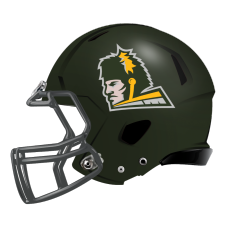
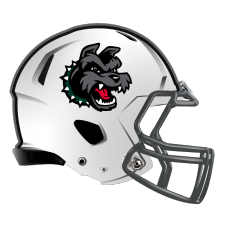
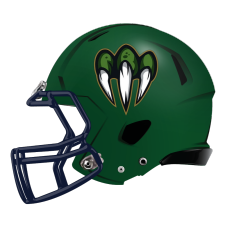
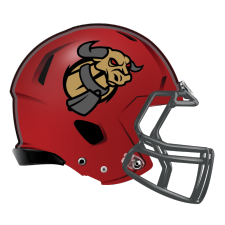
season. BDFL team assignments included Texas Toros (Armadillos),
Alabama Hammers (Vulcans), Memphis Jungle Kings (Mayors),
Florida Renegades (PowerSleds), St. Louis Spirit (Cheetahs), San
Diego Seals (Sloth Monsters), Oklahoma Outlaws (Bullets), Hawaii
Voyagers (Bandits), Utah Blizzard (Wildcats), Sacramento Swarm
(Freebirds), Quebec Acadians (Gamblers), Mexico City Matadors
(Bellcows), Berlin Blitzkrieg (Blitz), Rome Gladiators
(Grenadiers), London Monarchs (Juggernauts) and Barcelona
Dragons (Dogs). In Week 6 BDFL action, the Acadians edged the
Gladiators (21-19), the Hammers pounded the Blizzard (28-11),
the Monarchs conquered the Voyagers (32-27), the Blitzkrieg
scattered the Swarm (27-24), the Jungle Kings slipped past the
Outlaws (25-23), the Matadors stabbed the Renegades (19-7), the
Toros trampled the Spirit (18-13) and the Seals jap slapped the
Dragons (28-16). .
TITLETOWN
- It is Throwback Week in the BDFL and we usually look back to the
old school days of the NFL, AFL, WFL, USFL, XFL, etc. However,
this season Throwback Week takes a leap forward to 2076 to see
what the NFL will look like 50 years from now. We all lived
through the country's bicentential celebration, but only one may
be around for the tricentennial. Just a few facts to keep in
mind when looking at the future... A lot of things will happen
in the next 50 years based on history. Hopefully, we can avoid
WWIII and another worldwide pandemic. The futurists predict
self-driving vehicles will be replaced with self-driving hover
crafts and the U.S. Mail will be replaced by UPSExpress (an
entity between UPS and FedEx) and all mail will be delivered
electronically and most packages delivered by drones. The NFL
will continue to grow in popularity and expand to new emerging
markets as college sports disappear into semi-pro minor leagues
and 15-man one platoon club football takes over college campuses
to save the dignity of the schools and the sport. More like a
wish than a prediction, the BDFL's media experts are predicting
an expanded NFL consisting of a whopping 48 teams. The NFL will
divide the 16 new markets into four new divisions with new team
names. In 2026, each BDFL team represented one of these new NFL
clubs and competed against each other in Week 6 of the 2026 BDFL
season. BDFL team assignments included Texas Toros (Armadillos),
Alabama Hammers (Vulcans), Memphis Jungle Kings (Mayors),
Florida Renegades (PowerSleds), St. Louis Spirit (Cheetahs), San
Diego Seals (Sloth Monsters), Oklahoma Outlaws (Bullets), Hawaii
Voyagers (Bandits), Utah Blizzard (Wildcats), Sacramento Swarm
(Freebirds), Quebec Acadians (Gamblers), Mexico City Matadors
(Bellcows), Berlin Blitzkrieg (Blitz), Rome Gladiators
(Grenadiers), London Monarchs (Juggernauts) and Barcelona
Dragons (Dogs). In Week 6 BDFL action, the Acadians edged the
Gladiators (21-19), the Hammers pounded the Blizzard (28-11),
the Monarchs conquered the Voyagers (32-27), the Blitzkrieg
scattered the Swarm (27-24), the Jungle Kings slipped past the
Outlaws (25-23), the Matadors stabbed the Renegades (19-7), the
Toros trampled the Spirit (18-13) and the Seals jap slapped the
Dragons (28-16). . |
2026 Season Flashbacks <<<<<<<<<<<<<<<<<<<<<<<<<<<<<<< |
|||
| W1-Flying Right | W2-Revengeance | W3-Magic City Classic | W4-The Longest Yard |
| W5-Two World Fairs | W6-London Calling | ||
|
|
|
|
|



Concept, names, logos and designs are all registered trademarks and intellectual property of The BDFL © 2026. TheBDFL.com is a production of Iron Hand Productions © 2026. It is intended solely for the use of the Big Daddy Football League (BDFL). Any other use without the expressed written consent of the BDFL is prohibited. Any re-broadcast, or re-distribution, of its contents can be punishable by law, or by Iron Hand. All rights reserved.
| TheBDFL.com |