
|
WEEK 7 |
Third Sunday
 |
|
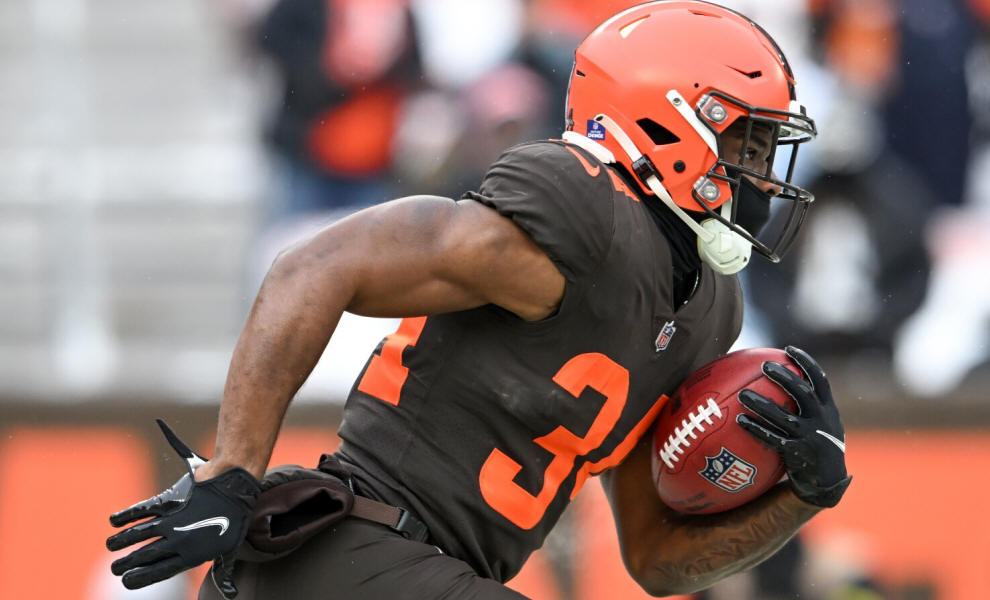
Former Tider Jerome Ford and Da Blitz bombed the Sloth Monsters on The Third Sunday in October |
Da Blitz carpet bombs the Sloth Monsters
 HOOVER,
AL - In these parts, by the time you get to “Third Saturday”,
everybody knows your talking about October. “The Third Saturday
in October” was the name given to the Alabama vs. Tennessee
rivalry way back in 1939. “The Third Saturday in October” of
2023, Bama spotted the Vols 20-7 in the first half, only to
storm back in the second half to dismantle Tennessee 34-20 for
the Tide’s 16th win in the last 17 contests. Alabama now leads
the series 60–39–7. The game reminded me of the 1979 edition of
“The Third Saturday in October” when #1 Alabama fell behind 0-17
at Birmingham’s Legion Field, only to storm back in the second
half to defeat the Vols 27-17. Not to brag, but I was at both of
these classics. I can also attest that losing to UTK is never
good. The game has been played in three locations: Birmingham,
Knoxville and Tuscaloosa. In the first four (1901–1908)
meetings, the game was held in Birmingham, Alabama. In 1909, the
home and home series began, though most of Alabama's home games
against Tennessee were played in Birmingham. The teams did play
in Tuscaloosa a few times through 1930. The game was not played
in Tuscaloosa from 1930 until 1999. Alabama leads the series in
all three venues: Birmingham 21–14–6, Knoxville 27–21–1 and
Tuscaloosa 12–4. In the 1950s, Jim Goostree, the head trainer
for the Tide, began the tradition of handing out cigars
following a vict’ry over the Vols. Both teams have continued the
tradition ever since, even though it is still a stupid NCAA
violation. On “The Third Sunday of October” in the BDFL, the
Druid City Blitz flew over Hoover and carpet bombed the Legends
of Shades Creek, 31-13. In 2023, Da Blitz (6-1) is trying to win
their first BDFL championship title, while the Sloth Monsters
(0-7) are just trying to win their first game of the season.
HOOVER,
AL - In these parts, by the time you get to “Third Saturday”,
everybody knows your talking about October. “The Third Saturday
in October” was the name given to the Alabama vs. Tennessee
rivalry way back in 1939. “The Third Saturday in October” of
2023, Bama spotted the Vols 20-7 in the first half, only to
storm back in the second half to dismantle Tennessee 34-20 for
the Tide’s 16th win in the last 17 contests. Alabama now leads
the series 60–39–7. The game reminded me of the 1979 edition of
“The Third Saturday in October” when #1 Alabama fell behind 0-17
at Birmingham’s Legion Field, only to storm back in the second
half to defeat the Vols 27-17. Not to brag, but I was at both of
these classics. I can also attest that losing to UTK is never
good. The game has been played in three locations: Birmingham,
Knoxville and Tuscaloosa. In the first four (1901–1908)
meetings, the game was held in Birmingham, Alabama. In 1909, the
home and home series began, though most of Alabama's home games
against Tennessee were played in Birmingham. The teams did play
in Tuscaloosa a few times through 1930. The game was not played
in Tuscaloosa from 1930 until 1999. Alabama leads the series in
all three venues: Birmingham 21–14–6, Knoxville 27–21–1 and
Tuscaloosa 12–4. In the 1950s, Jim Goostree, the head trainer
for the Tide, began the tradition of handing out cigars
following a vict’ry over the Vols. Both teams have continued the
tradition ever since, even though it is still a stupid NCAA
violation. On “The Third Sunday of October” in the BDFL, the
Druid City Blitz flew over Hoover and carpet bombed the Legends
of Shades Creek, 31-13. In 2023, Da Blitz (6-1) is trying to win
their first BDFL championship title, while the Sloth Monsters
(0-7) are just trying to win their first game of the season.
|
WEEK 7 |
Final Scores
|
||||||||||||||||||||||||||||||||||||||||||||||||
|
COMPLETE SCORING DATA FROM THE ALADDIN SCORING SYSTEM |







|
THE BDFL NEWS |
1974
|
|
|
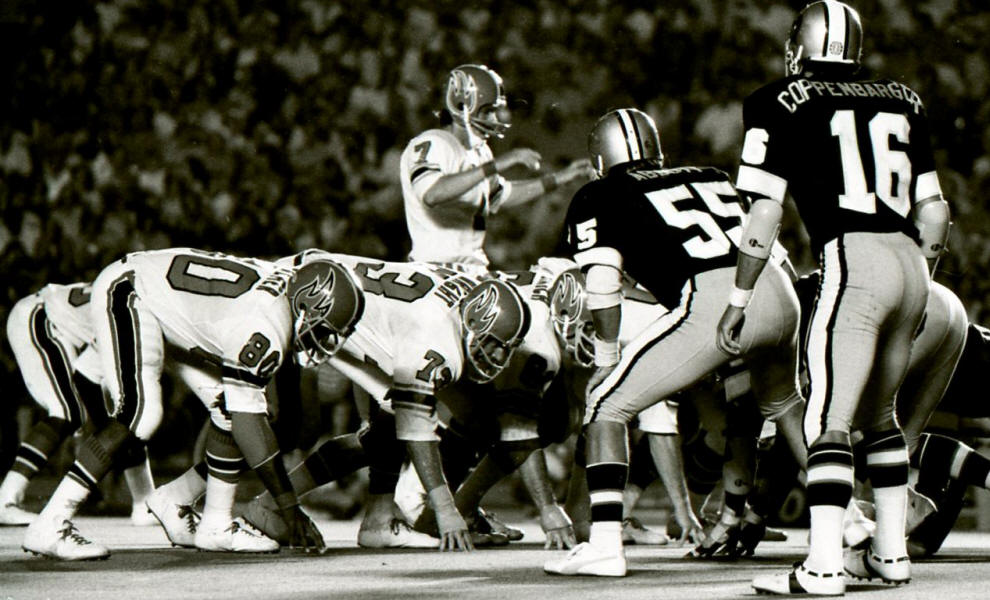
The World Football League (WFL) changed the face of professional football back in 1974 |
|
The shoulda, coulda, woulda WFL of 1974 |
|||||||||||||||||||||||||||||
|
|
|||||||||||||||||||||||||||||
 BIRMINGHAM,
AL - For one moment, image if the World Football League (WFL)
had originally picked these twelve (12) U.S. markets in 1974;
Seattle, Indianapolis, Tampa/St. Petersburg, Phoenix,
Jacksonville, Charlotte, Tennessee (Memphis or Nashville), Las
Vegas, San Antonio, Los Angeles, New Jersey/New York and
Birmingham. And if so, do you think the league would have been
more successful? My guess is yes, because to be successful in
upstart professional football, you need to go to markets that
the NFL has ignored. The American Football League (AFL) provided
a solid blueprint in the 1960s when they went to Kansas City,
Denver, Buffalo, Boston, Houston, Oakland, San Diego, and later
to Cincinnati and Miami with tons of success and very little
franchise movement. The WFL on the other hand, started with
twelve (12) original teams pitted for Boston, Washington,
Chicago, Detroit, Philadelphia, Southern California, Houston,
Hawaii, Portland, Jacksonville, Toronto and Birmingham. Mostly,
a suicidal list of NFL markets. The league was indecisive from
the beginning like they really didn't have strategy for success,
or for long-term growth. Cases in point, the Boston club ended
up in New York before the 1974 season and eventually landed in
Charlotte. The Washington franchise moved to Florida before the
1974 season began and played the shortened 1975 season in San Antonio.
The Houston Texans settled for Shreveport and Toronto had to
move to Memphis prior to the 1974 season because of a Canadian
government ban on foreign football leagues. For a historical
perspective, when the WFL was still in formation in April of
1974, the NFL announced expansion plans to Tampa Bay and Seattle
beginning with the 1976 season, in an effort to combat the
fledgling league. This was in direct retaliation to the new
league since the WFL was in the process of picking markets and
signing, and attempting to sign, so many good NFL players to
jump to the new league. The WFL had already escalated the
payroll of the average NFL club by 50 percent. The NFL was
basically forced into the 1976 expansion similar to what
happened in the 1960s when the AFL forced NFL expansion to
Dallas, Minnesota, New Orleans, Atlanta, etc. According to the
New York Times in June of 1974, Memphis and Phoenix
were the other prime candidates for NFL expansion in 1976 with
Honolulu as an outsider. With the WFL already organizing to play
in Memphis and Honolulu beginning in 1974, had the NFL moved to
either one of these markets, it would have risked an antitrust
lawsuit from the new league. After expansion to Tampa Bay and
Seattle in 1976, the NFL would not expand again for 21 years
until 1995 when they awarded franchises to Jacksonville and
Charlotte (these markets sound familiar) to get to 30 teams. The
Raiders left Oakland for the first time in 1982 for Los Angeles
and again in 2020 for Las Vegas to mark two markets off of the
WFL's shoulda, coulda, woulda list from 1974. The Colts moved to
Indigenapolis in the dark of night to get out of Baltimore in
1984 and the Cardinals left St. Louis for Phoenix in 1988. The
Oilers would leave Houston for Tennessee in 1997, first playing
one season in Memphis (1997) and then finding a more permanent
home in Nashville as the Titans in 1998. The NFL would
eventually award two more expansion franchises to Cleveland and
Houston in 1999 to make up for a couple of mistakes for not
expanding fast enough to Indigenapolis and Tennessee. To bring
it full circle the 1999 Houston NFL expansion franchise chose
the WFL's original team name to become the latest version of the
Houston Texans. Birmingham, Memphis and San Antonio have yet to
get a real shot at the NFL, but my guess that they would be just
as successful as any of the other teams, most notably their peer
markets of Nashville,
Jacksonville and Charlotte. In closing we'll conclude, that if
the WFL had followed the AFL's blueprint of going to non-NFL
markets, the WFL would have lasted approximately 10 years,
forced a merger and we'd probably now have a 40-team NFL today
instead of a 32-team league. The eight (8) additional markets
that could have kept their NFL team, or eventually been awarded
an NFL expansion club, in our estimation would have been St.
Louis, Oakland/Sacramento, San Diego, San Antonio, Orlando,
Portland, Salt Lake City and Birmingham.
BIRMINGHAM,
AL - For one moment, image if the World Football League (WFL)
had originally picked these twelve (12) U.S. markets in 1974;
Seattle, Indianapolis, Tampa/St. Petersburg, Phoenix,
Jacksonville, Charlotte, Tennessee (Memphis or Nashville), Las
Vegas, San Antonio, Los Angeles, New Jersey/New York and
Birmingham. And if so, do you think the league would have been
more successful? My guess is yes, because to be successful in
upstart professional football, you need to go to markets that
the NFL has ignored. The American Football League (AFL) provided
a solid blueprint in the 1960s when they went to Kansas City,
Denver, Buffalo, Boston, Houston, Oakland, San Diego, and later
to Cincinnati and Miami with tons of success and very little
franchise movement. The WFL on the other hand, started with
twelve (12) original teams pitted for Boston, Washington,
Chicago, Detroit, Philadelphia, Southern California, Houston,
Hawaii, Portland, Jacksonville, Toronto and Birmingham. Mostly,
a suicidal list of NFL markets. The league was indecisive from
the beginning like they really didn't have strategy for success,
or for long-term growth. Cases in point, the Boston club ended
up in New York before the 1974 season and eventually landed in
Charlotte. The Washington franchise moved to Florida before the
1974 season began and played the shortened 1975 season in San Antonio.
The Houston Texans settled for Shreveport and Toronto had to
move to Memphis prior to the 1974 season because of a Canadian
government ban on foreign football leagues. For a historical
perspective, when the WFL was still in formation in April of
1974, the NFL announced expansion plans to Tampa Bay and Seattle
beginning with the 1976 season, in an effort to combat the
fledgling league. This was in direct retaliation to the new
league since the WFL was in the process of picking markets and
signing, and attempting to sign, so many good NFL players to
jump to the new league. The WFL had already escalated the
payroll of the average NFL club by 50 percent. The NFL was
basically forced into the 1976 expansion similar to what
happened in the 1960s when the AFL forced NFL expansion to
Dallas, Minnesota, New Orleans, Atlanta, etc. According to the
New York Times in June of 1974, Memphis and Phoenix
were the other prime candidates for NFL expansion in 1976 with
Honolulu as an outsider. With the WFL already organizing to play
in Memphis and Honolulu beginning in 1974, had the NFL moved to
either one of these markets, it would have risked an antitrust
lawsuit from the new league. After expansion to Tampa Bay and
Seattle in 1976, the NFL would not expand again for 21 years
until 1995 when they awarded franchises to Jacksonville and
Charlotte (these markets sound familiar) to get to 30 teams. The
Raiders left Oakland for the first time in 1982 for Los Angeles
and again in 2020 for Las Vegas to mark two markets off of the
WFL's shoulda, coulda, woulda list from 1974. The Colts moved to
Indigenapolis in the dark of night to get out of Baltimore in
1984 and the Cardinals left St. Louis for Phoenix in 1988. The
Oilers would leave Houston for Tennessee in 1997, first playing
one season in Memphis (1997) and then finding a more permanent
home in Nashville as the Titans in 1998. The NFL would
eventually award two more expansion franchises to Cleveland and
Houston in 1999 to make up for a couple of mistakes for not
expanding fast enough to Indigenapolis and Tennessee. To bring
it full circle the 1999 Houston NFL expansion franchise chose
the WFL's original team name to become the latest version of the
Houston Texans. Birmingham, Memphis and San Antonio have yet to
get a real shot at the NFL, but my guess that they would be just
as successful as any of the other teams, most notably their peer
markets of Nashville,
Jacksonville and Charlotte. In closing we'll conclude, that if
the WFL had followed the AFL's blueprint of going to non-NFL
markets, the WFL would have lasted approximately 10 years,
forced a merger and we'd probably now have a 40-team NFL today
instead of a 32-team league. The eight (8) additional markets
that could have kept their NFL team, or eventually been awarded
an NFL expansion club, in our estimation would have been St.
Louis, Oakland/Sacramento, San Diego, San Antonio, Orlando,
Portland, Salt Lake City and Birmingham.|
2023 Season Flashbacks <<<<<<<<<<<<<<<<<<<<<<<<<<<<<<<< |
|||
| W1-The FamilyT | W2-Bloody Sunday | W3-The Big One | W4-One Ranger |
| W5-Bar The Door | W6-Shock & Roll | W7-Third Sunday | |
|
|
|
|
|



Concept, names, logos and designs are all registered trademarks and intellectual property of The BDFL © 2023. TheBDFL.com is a production of Iron Hand Productions © 2023. It is intended solely for the use of the Big Daddy Football League (BDFL). Any other use without the expressed written consent of the BDFL is prohibited. Any re-broadcast, or re-distribution, of its contents can be punishable by law, or by Iron Hand. All rights reserved.
| TheBDFL.com |